

When considering the installation of a mini split system in your home, evaluating your current layout is crucial to ensure optimal performance and efficiency. Mini splits are highly versatile and efficient heating and cooling solutions, but their effectiveness largely depends on strategic placement within your living space. Here’s how you can assess your home layout for the best mini split setup.
Start by understanding the basic components of a mini split system: an outdoor condenser unit and one or more indoor air handling units. The positioning of these units plays a critical role in ensuring even temperature distribution throughout your home. Begin with the outdoor unit; it should be placed in a location that allows for adequate airflow and easy access for maintenance while being close enough to minimize extensive piping through walls.
Next, analyze the interior spaces where you plan to install indoor units. Consider areas that require consistent climate control, such as living rooms, bedrooms, or frequently used common areas. Pay attention to room size and function because this will influence the power capacity needed from each indoor unit. Larger rooms may require higher-capacity units or multiple handlers to maintain comfort levels effectively.
Evaluate potential obstructions like furniture placement which could impede airflow from wall-mounted units. Indoor units should ideally be installed high on walls where they can distribute air evenly across a room without interference from obstacles below them.
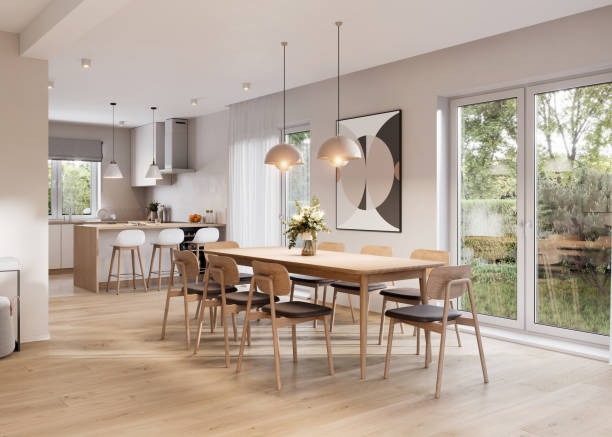
Assess any architectural features such as open floor plans or vaulted ceilings that could impact air circulation patterns within your home. Open layouts may benefit from strategically placed multi-zone systems that allow different settings for distinct areas while maintaining overall harmony across shared spaces.
Consider insulation quality when planning your mini split setup since poor insulation can lead to energy inefficiencies regardless of equipment placement. Ensure windows are sealed properly, doors fit snugly into frames without gaps, and there’s adequate insulation in walls and ceilings before finalizing locations for indoor handlers.
Take note also of electrical considerations—each unit requires its own dedicated circuit so confirm availability with an electrician if necessary before proceeding further with installation plans involving multiple zones or larger capacity models requiring additional power supplies beyond standard household circuits already present elsewhere around property grounds themselves too!
Finally consult professionals who specialize specifically within field itself regarding specifics unique unto individual circumstances surrounding particular project at hand thereby gaining get more insights invaluable toward achieving ultimate goal desired outcome realized fully upon completion thereof accordingly thereafter henceforth!