

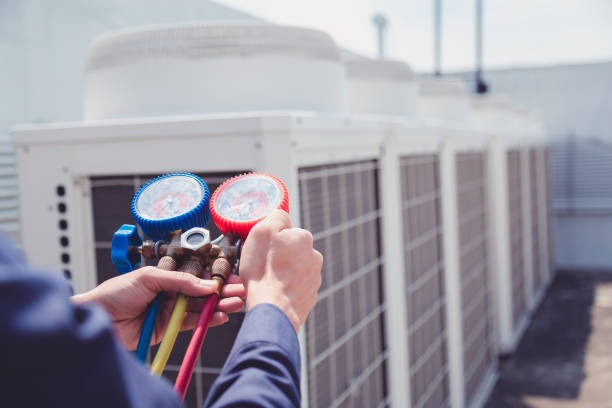
Smart HVAC (Heating, Ventilation, and Air Conditioning) technology is revolutionizing the way we manage our indoor climates, offering significant energy savings and increased efficiency. As energy costs continue to rise, homeowners and businesses are increasingly turning to smart HVAC systems as a viable solution for reducing their utility bills while maintaining optimal comfort levels.
One of the primary ways smart HVAC technology helps save on energy costs is through enhanced control and automation. Traditional HVAC systems often rely on manual settings that can lead to inefficient heating or cooling when not adjusted frequently. In contrast, smart HVAC systems use advanced sensors and algorithms to monitor environmental conditions in real-time. These systems automatically adjust temperature settings based on occupancy patterns, weather forecasts, and user preferences. This level of automation ensures that energy is only used when necessary, minimizing wasteful consumption.
Moreover, many smart HVAC systems are equipped with learning capabilities. They analyze data over time to understand occupant behavior patterns better. For instance, if a system detects that a household tends to be empty during certain hours of read the complete guide day, it can adjust its operation accordingly by lowering heating or cooling output during those times. This adaptability leads to more efficient energy use without sacrificing comfort.
Integration with other smart home devices further enhances the efficiency of smart HVAC systems. By connecting with devices such as smart thermostats, lighting controls, and window blinds, these systems create a cohesive network that optimizes overall energy usage within a building. For example, if sunlight increases room temperature significantly during midday hours in summer months; automated blinds could close while air conditioning reduces power output simultaneously—resulting in substantial cost savings over time.
Another key feature contributing towards reduced energy costs involves predictive maintenance alerts provided by some advanced models which notify users about potential issues before they escalate into costly repairs or replacements – ensuring optimal performance at all times whilst avoiding unnecessary expenses associated with breakdowns caused by neglectful upkeep practices commonly seen among conventional units lacking this capability altogether!
Furthermore: remote access via smartphone apps allows users greater flexibility regarding climate management regardless of location—a boon especially useful for frequent travelers who wish maintain desired conditions upon return home without leaving system running continuously throughout absence periods unnecessarily consuming excess amounts electricity needlessly driving up monthly statements beyond reasonable limits otherwise achievable utilizing available technological advancements offered today’s market offerings designed specifically address concerns related rising global demand sustainable solutions aimed mitigating impact human activities environment long term future generations come enjoy benefits derived responsible stewardship planet resources entrusted care now present moment opportunity act responsibly behalf everyone involved shared responsibility collective well-being society whole!