

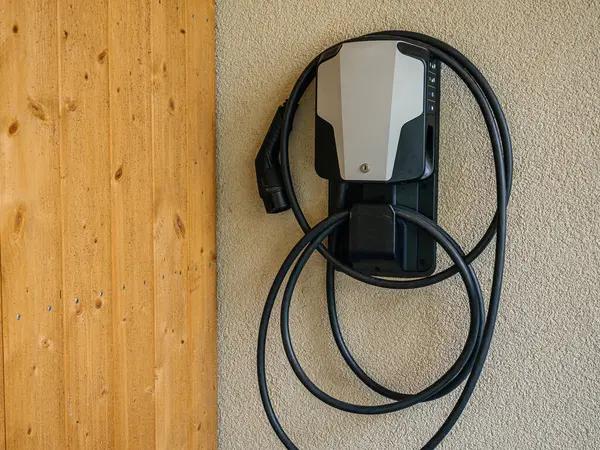
Electric vehicles (EVs) are becoming increasingly popular as a sustainable means of transportation. To support your EV at home, installing an electric vehicle charger is a practical necessity. However, preparing for EV charger installation involves several crucial steps to ensure a smooth and efficient process. Understanding these essential steps can save time, money, and avoid potential complications.
The first step is to evaluate your electrical system. Most EV chargers require a dedicated circuit with sufficient capacity to handle the additional electrical load. It is important to consult a licensed electrician to assess your home’s existing electrical panel. Older homes or those with limited electrical capacity may require an upgrade to accommodate the charger safely. This assessment helps to determine if your current setup can support the charger or if modifications are necessary.
EV Charger Installation Colorado Springs
Next, consider the location for the charger installation. The ideal spot should provide easy access to your vehicle while parked and be protected from environmental elements such as rain or direct sunlight. Many homeowners prefer https://z-electricco.com/ installing chargers in garages or covered carports. Additionally, the charger should be positioned close to the electrical panel to minimize wiring costs and complexity. Planning the location ahead of time ensures convenience and compliance with local electrical codes.
Researching the types of EV chargers available is another key step. Chargers vary in power output, charging speed, and features. Level 1 chargers use a standard household outlet but charge slowly, while Level 2 chargers require a dedicated 240-volt circuit and offer faster charging times. Choosing the right charger depends on your driving habits, budget, and vehicle compatibility. Gathering this information enables informed decision-making and helps you select the most suitable charger for your needs.
Once you have chosen the charger and location, obtain any necessary permits. Local regulations often require permits for electrical work, especially when installing high-capacity devices like EV chargers. Your electrician typically handles the permit application process, but confirming local requirements beforehand can prevent delays. Compliance with safety codes is essential to ensure the installation is legal and safe.
Finally, schedule a professional installation. A certified electrician should perform the installation to guarantee adherence to safety standards and proper functioning of the charger. After installation, test the charger with your EV to confirm it operates correctly. Proper installation not only protects your home’s electrical system but also maximizes the efficiency and lifespan of your EV charger.
In summary, preparing for EV charger installation involves evaluating your electrical system, selecting the optimal location, researching charger options, obtaining permits, and hiring a qualified electrician. Following these essential steps ensures a hassle-free installation process, helping you enjoy the convenience of charging your electric vehicle safely and efficiently at home.
Z-Electric LLC
Colorado Springs, CO 80925
719-663-8783