

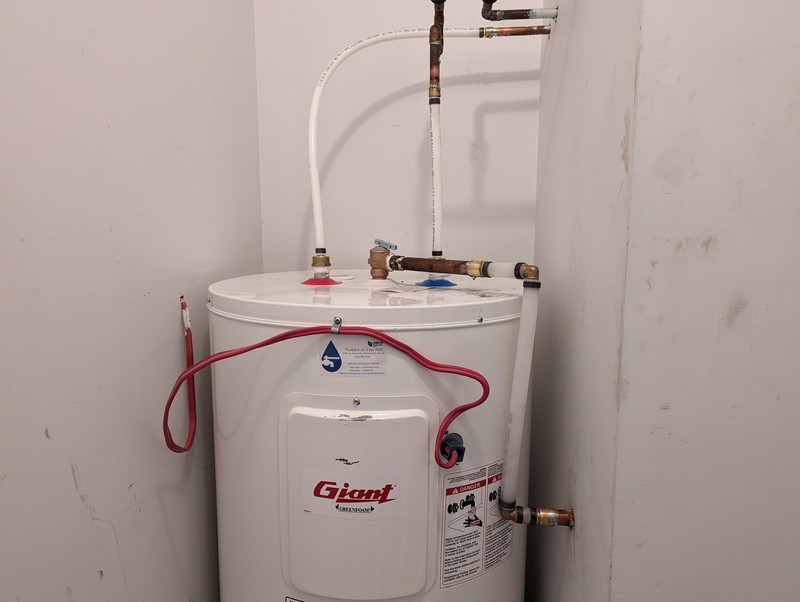
Installing a water heater in a modern home requires careful planning and attention to detail to ensure safety, efficiency, and long-term reliability. The first step is selecting the appropriate type of water heater that suits the household’s needs. Modern homes often benefit from energy-efficient models such as tankless or heat pump water heaters, which not only reduce energy consumption but also save space compared to traditional tank units. Understanding the household’s hot water demand helps determine the right capacity and model, preventing issues related to insufficient hot water or excessive energy use.
Proper placement of the water heater is crucial for both performance and convenience. It should be installed in a location that allows easy access for maintenance while minimizing heat loss through short pipe runs to frequently used fixtures like bathrooms and kitchens. Additionally, installing it plumber near me existing plumbing lines can reduce installation costs and complexity. Adequate ventilation must be ensured if using gas-powered units to prevent carbon monoxide buildup; compliance with local building codes regarding venting requirements is mandatory.
Before installation begins, it is essential to shut off power sources-electricity or gas-and drain any existing unit safely if replacing an old system. Using professional-grade materials such as corrosion-resistant pipes and fittings extends the lifespan of connections between the heater and household plumbing. Proper insulation around hot water pipes further enhances efficiency by reducing heat loss during distribution.
Securing permits from local authorities before starting installation ensures adherence to building regulations designed for safety and environmental protection. Many regions require inspections after installation completion; these inspections verify correct setup including pressure relief valves, electrical connections, gas lines, and proper venting systems are all up to code.
During installation, mounting the unit securely on a stable surface prevents vibrations or movement that could damage components over time. Installing temperature controls calibrated accurately helps maintain consistent hot water temperatures while avoiding scald risks associated with excessively high settings. Pressure relief valves must be installed correctly as they serve as critical safety devices protecting against dangerous pressure build-up inside tanks.
After completing physical setup, thorough testing of all functions including leak checks at joints ensures no hidden problems exist before regular use begins. Educating homeowners about routine maintenance tasks such as flushing sediment buildup periodically maintains optimal performance over years of operation.
By following these best practices in selecting equipment suited for modern households along with meticulous adherence to safety standards during installation processes results in reliable hot water supply systems optimized for comfort and efficiency throughout their service life.
Service Squad
680 E Colorado Blvd, Suite 180, Pasadena, CA 91101
626-333-6519