

Ensuring your air conditioning (AC) unit functions efficiently is crucial, especially during the sweltering summer months. An AC that frequently turns off can be both frustrating and uncomfortable. Fortunately, there are several repair tips you can follow to prevent this issue and maintain a cool indoor environment.
First and foremost, regular maintenance is key to preventing your AC from turning off unexpectedly. Begin by checking the air filter. A clogged or dirty filter restricts airflow, causing the system to overheat and shut down prematurely. Replace or clean the filter every one to three months, depending on usage and manufacturer recommendations.
Next, inspect read the details thermostat settings. Sometimes, an improperly set thermostat can cause frequent cycling of your AC unit. Ensure it is set to “cool” mode with a temperature setting below room temperature. If your thermostat uses batteries, replace them regularly to avoid power-related issues that might cause erratic behavior.
Another common culprit behind an AC turning off unexpectedly is an electrical problem within the circuit breaker or fuse box. Check for any tripped breakers or blown fuses and reset them if necessary. Consistent electrical issues may indicate a more significant problem requiring professional attention.
The condenser coils located in the outdoor unit should also be kept clean for optimal performance. Dirt and debris buildup on these coils impede heat transfer, forcing your AC to work harder than necessary and potentially leading it to shut off intermittently as a protective measure against overheating.
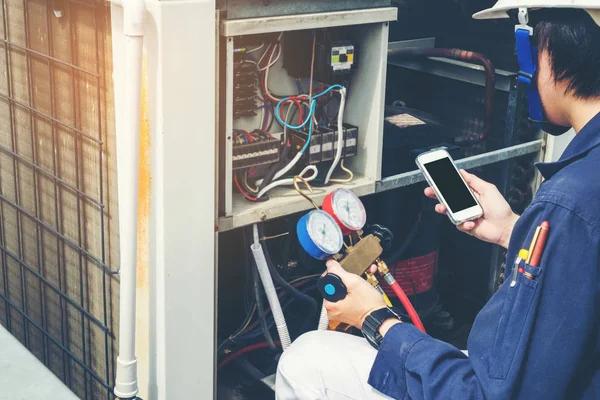
Additionally, examine the refrigerant levels in your system. Low refrigerant levels not only hinder cooling efficiency but may also trigger safety switches designed to protect the compressor from damage due to low pressure conditions—causing shutdowns until rectified by adding more refrigerant through proper channels handled by qualified technicians who ensure no leaks exist before refilling occurs safely without harming environmental standards imposed globally today across industries alike worldwide now too!