

Short cycling in HVAC systems is a common issue that not only affects comfort but also reduces the lifespan of the equipment. It occurs when an HVAC system turns on and off frequently without completing a full cycle, leading to inefficient operation and increased energy bills. Fortunately, there are several expert tips that can help stop short cycling and extend the life of your system.
Firstly, it’s crucial to ensure that your HVAC system is appropriately sized for your home or building. An oversized unit will cool or heat too quickly, causing it to shut off prematurely before a full cycle completes. Consulting with an HVAC professional who can perform a load calculation will determine the correct size needed for efficient operation.
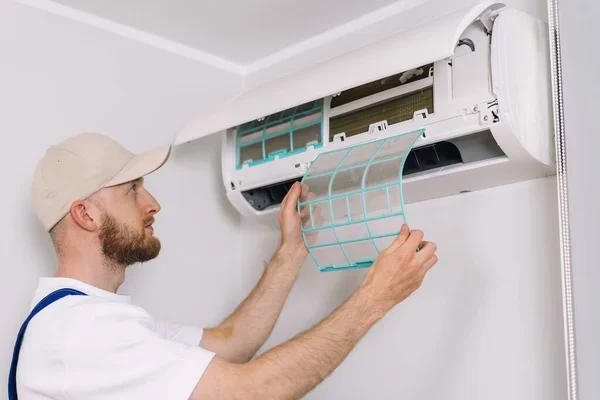
Regular maintenance plays a pivotal role in preventing short cycling. Filters should be checked monthly and replaced as necessary since clogged filters restrict airflow, forcing the system to work harder than required. This added strain can lead to overheating or freezing within components like evaporator coils, prompting the system to shut down abruptly.
Thermostat issues are another common cause of short cycling. Ensure that your thermostat is functioning correctly by checking its calibration and battery levels if applicable. A malfunctioning thermostat might view website send incorrect signals to your HVAC system, causing it to turn on and off unexpectedly.
Additionally, inspecting refrigerant levels is essential because low refrigerant can cause pressure imbalances within the compressor, leading to frequent shutdowns as a protective measure against damage. If you suspect low refrigerant levels due to leaks or other issues, contacting an HVAC technician for diagnosis and repair is advisable.
Ductwork inspection should not be overlooked either; leaks or blockages in ducts can disrupt air distribution throughout your space which may result in uneven temperature control prompting unnecessary cycles as well as energy wastage.